
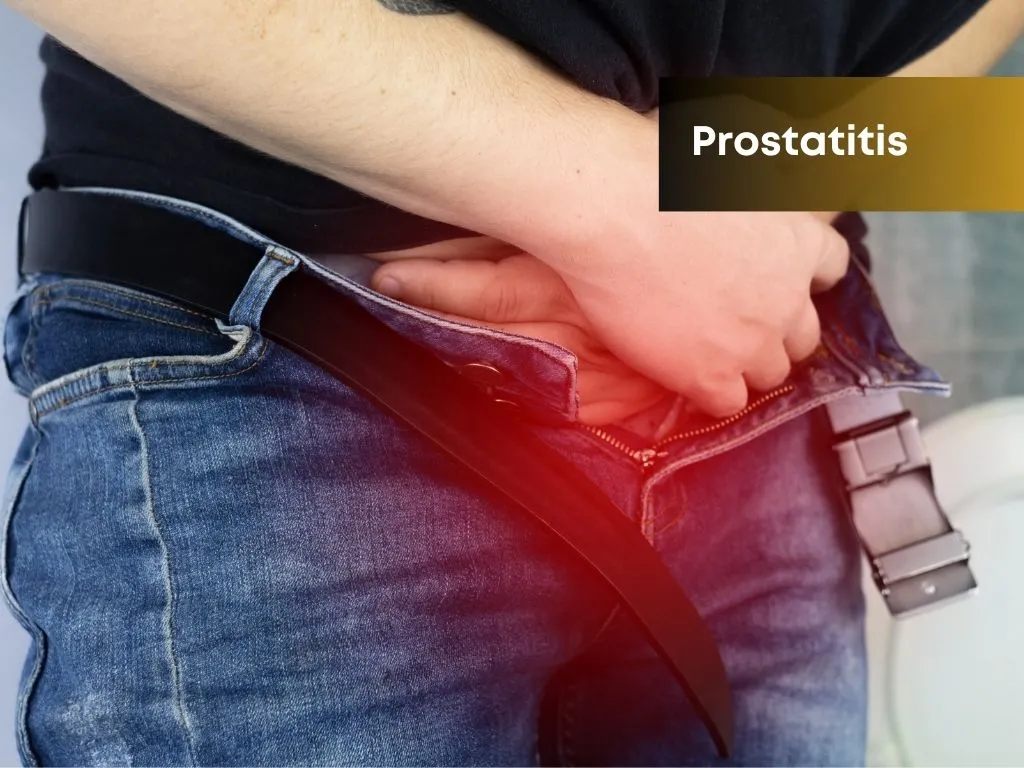
Prostatitis
-
 Nalamaree Team
- 22 September 2025
Overview
There are four types:
- Acute bacterial
- Chronic bacterial
- Chronic prostatitis/chronic pelvic pain syndrome (CP/CPPS)
- Asymptomatic inflammatory prostatitis
Causes
- Bacterial infection (E. coli, Klebsiella)
- Urine reflux into prostate ducts
- Autoimmune or neurological causes
- Sexually transmitted infections (sometimes)
Symptoms
- Painful urination, pelvic pain
- Pain in perineum, testicles, lower back
- Painful ejaculation
- Frequent or urgent urination
- Fever, chills (acute type)
Treatment: Modern Medicine
- Diagnosis: DRE (digital rectal exam), urine test, PSA, ultrasound
- Treatment:
- Antibiotics (fluoroquinolones, doxycycline)
- Alpha-blockers for urinary flow
- NSAIDs for pain
- Sitz baths and pelvic relaxation
Treatment: Traditional Medicine
- Ayurveda: Gokshura, Shilajit, Varunadi kwath
- Siddha: Veliparuthi, Neermulli
- Unani: Habb-e-Mudir, Majoon Dabeed-ul-Ward
- TCM: Yi Zhi Ren, Fu Ling for damp-heat in lower burner
- Homeopathy: Sabal serrulata, Thuja, Chimaphila
- Nutraceuticals: Saw palmetto, Zinc, Quercetin
Caution
- Avoid delaying treatment for acute bacterial prostatitis
- Chronic cases require long-term management
Prevention
- Stay hydrated
- Safe sexual practices
- Avoid prolonged sitting and constipation
.jpg.webp)