
post-thumb

Allergies

Overview

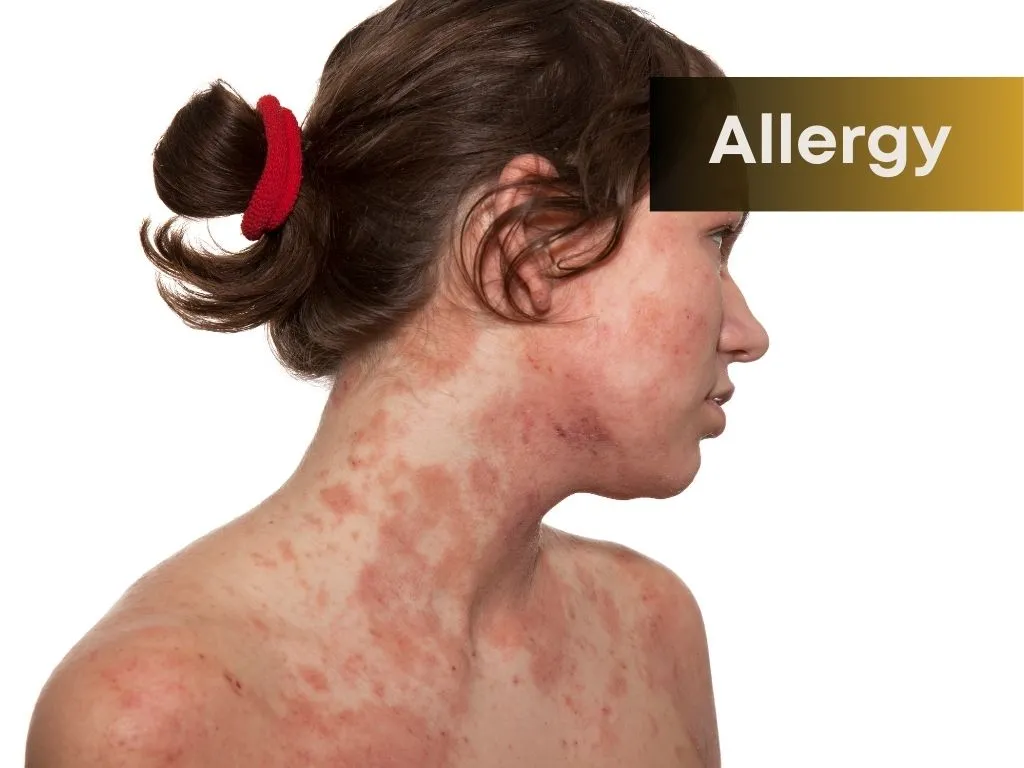
  • Allergies can manifest in various ways and may have different treatments based on the specific allergy. It's important to note that allergies are immune system responses to substances that are usually harmless.
  • Common allergens include pollen, dust mites, pet dander, certain foods, insect stings, and certain medications. Allergic reactions can range from mild to severe, and in some cases, they can be life-threatening.

Causes

  • Hay Fever
  • Food Allergy
  • Drug Allergy
  • Insect Sting Allergy
  • Latex Allergy
  • Allergic Conjunctivitis
  • Contact Dermatitis
  • Symptoms

  • Sneezing
  • Runny or Stuffy Nose
  • Itchy or Watery Eyes
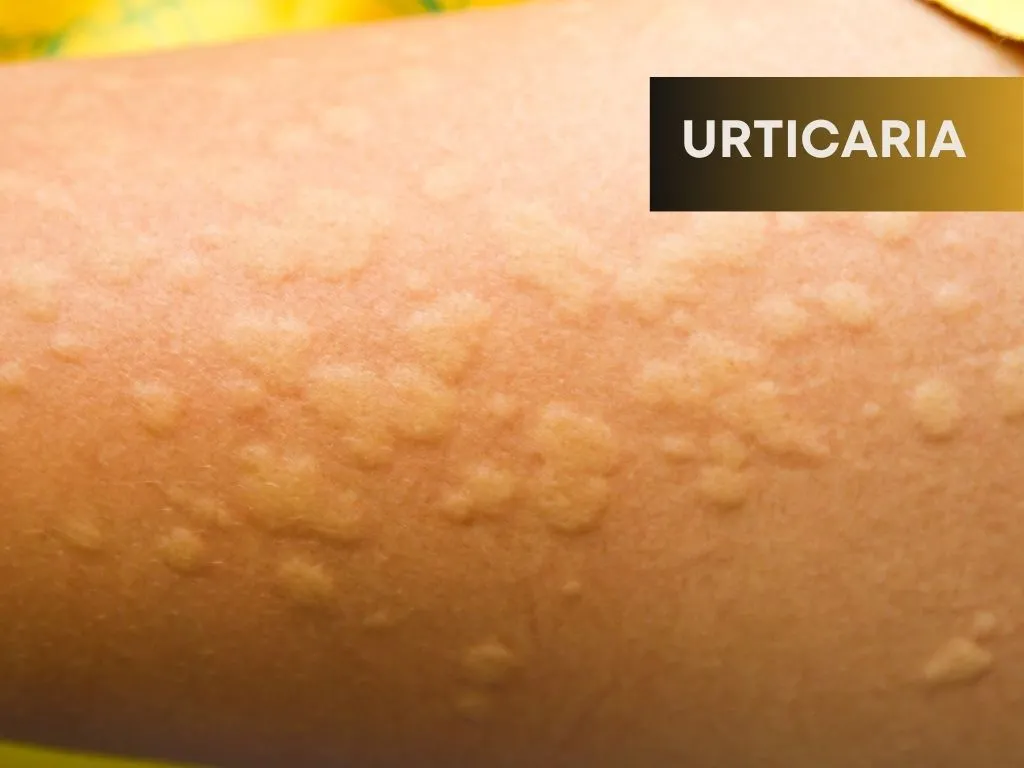
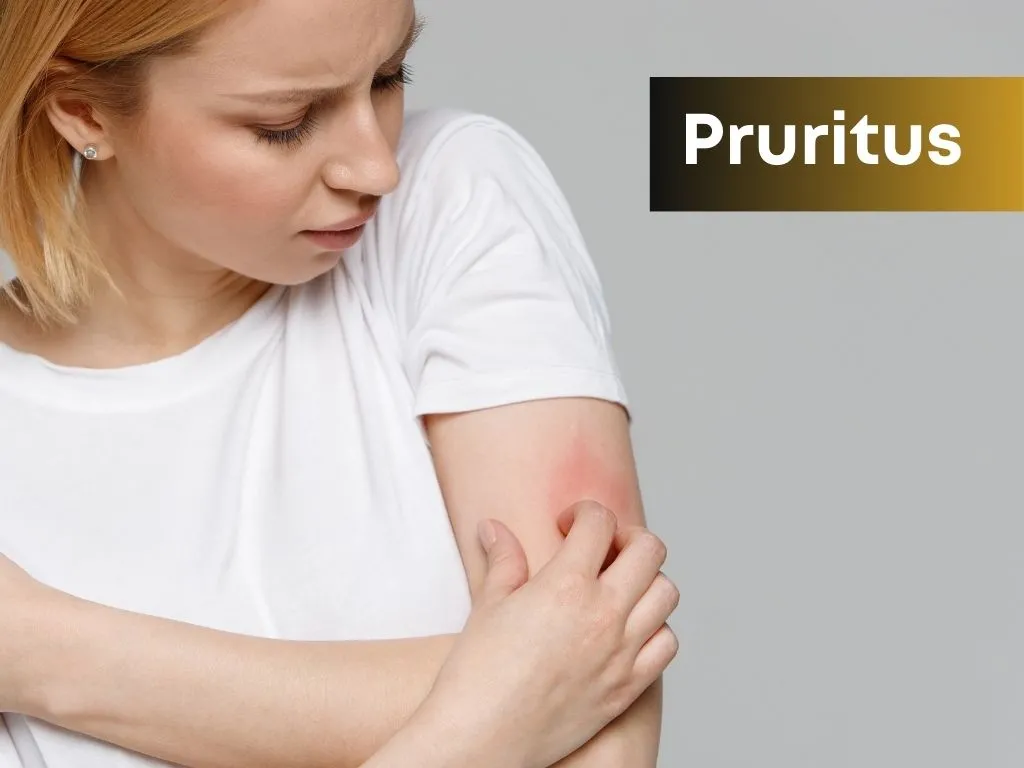
  • Skin Rash
  • Swelling
  • Coughing or Wheezing
  • Sore Throat
  • Fatigue
  • Headache
  • Digestive Symptoms
  • Treatment: Modern Medicine

  • Antihistamines
  • Decongestants
  • Corticosteroids
  • Leukotriene modifiers.
  • Immunotherapy (Allergy Shots)
  • Treatment: Traditional Medicine

  • Saline Nasal Rinse
  • Local Honey
  • Steam Inhalation
  • Quercetin
  • Butterbur
  • Probiotics
  • Avoidance of Allergens
  • Caution

  • Food
  • Environmental
  • Medications
  • Prevention

  • Identify Allergens
  • Avoid Allergens
  • Keep Indoor Environments Clean
  • Practice Good Hygiene
  • Manage Pet Allergies
  • Control Outdoor Allergens

  • Related Diseases

    Bipolar disorder is a mental health condition characterized by extreme mood swings that include emotional highs (mania or hypomania) and lows (depression).

    Urethritis is inflammation of the urethra, usually caused by bacterial or viral infections. It results in burning during urination, discharge, or urinary discomfort.

    Diabetic retinopathy is a complication of diabetes that affects the eyes. It's caused by damage to the blood vessels of the light-sensitive tissue at the back of the eye (retina).

    Disclaimer: The information provided on this platform is for informational and educational purposes only. It is not intended to substitute professional medical advice, diagnosis, or treatment. Individuals should always seek the guidance of a qualified healthcare professional, such as a physician, doctor, or nutritionist, before making any health-related decisions.

    Subscribe to our top stories.


    © 2025 Nalamaree. All rights reserved.