
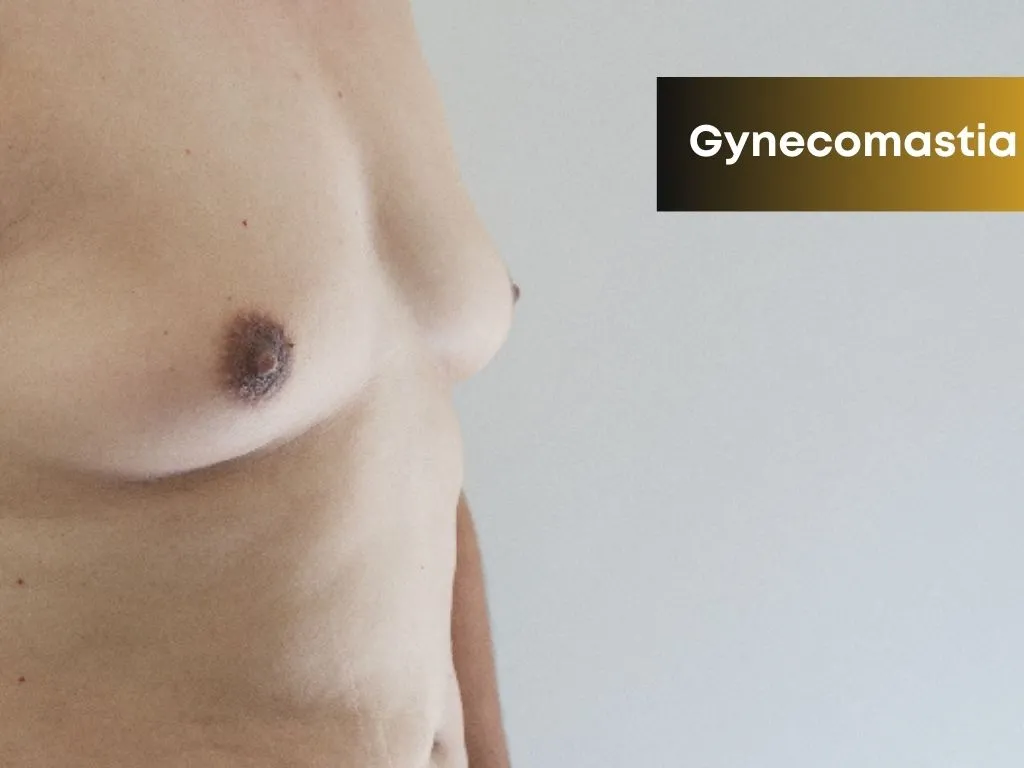
Male Breast Enlargement (Gynecomastia)
-
 Nalamaree Team
- 22 September 2025
Overview
Common during puberty, aging, or due to medications. It may cause psychological distress even if not harmful.
Causes
- Puberty (physiological gynecomastia)
- Medications (e.g., spironolactone, steroids)
- Obesity (increased estrogen from fat cells)
- Liver/kidney disease
- Anabolic steroid use
Symptoms
- Soft or firm tissue under nipple
- Breast tenderness or pain
- Swelling may be one- or both-sided
- No discharge or skin changes (if benign)
Treatment: Modern Medicine
- Diagnosis: Physical exam, hormone testing (Testosterone, Estradiol), Ultrasound
- Treatment:
- Observation (if puberty-related)
- Hormone therapy (Tamoxifen in persistent cases)
- Surgical removal (liposuction or mastectomy) if distressing or large
Treatment: Traditional Medicine
- Ayurveda: Triphala, Guggulu, Ashwagandha
- Siddha: Amukkara, Nilavembu
- Unani: Qurs Kushta Faulad, Majoon Muqil
- TCM: Bu Zhong Yi Qi Tang, acupuncture to balance Qi
- Homeopathy: Calcarea carb, Lycopodium, Thuja
- Nutraceuticals: Zinc, DIM (Diindolylmethane), Vitamin D
Caution
- Hard, fixed lumps or nipple discharge require ruling out male breast cancer
- Address underlying liver or hormone disorders
Prevention
- Avoid anabolic steroids, alcohol, soy overuse
- Exercise and weight management
- Regular hormone checkups in older men








.jpg.webp)