
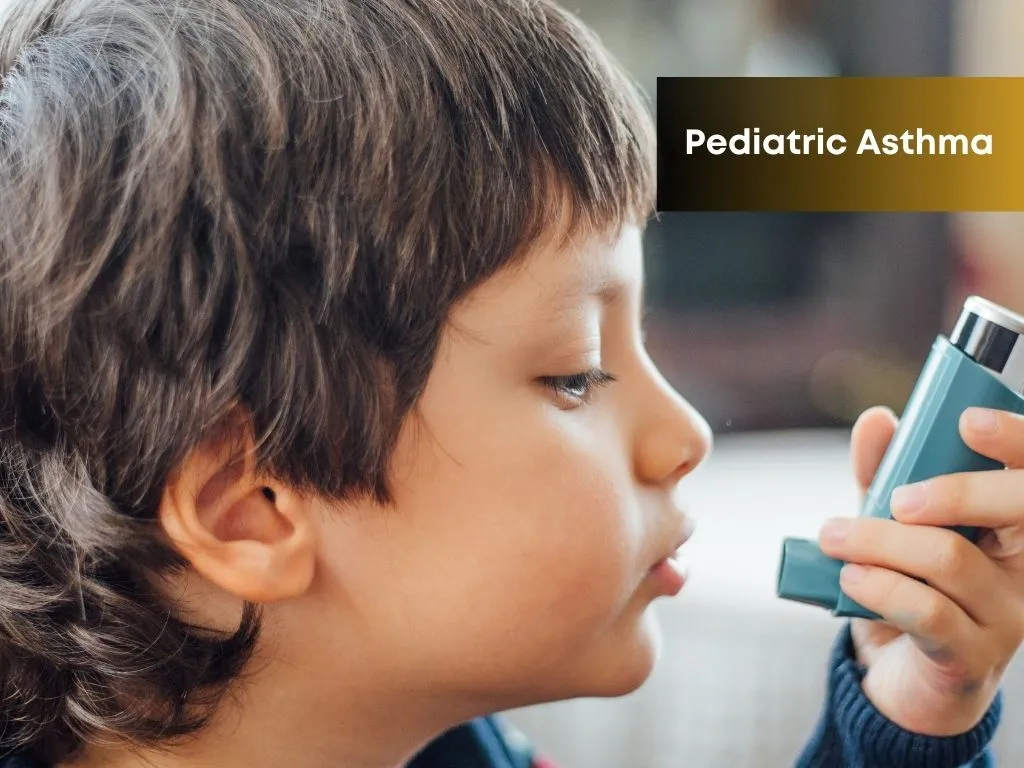
Pediatric Asthma
-
 Nalamaree Team
- 22 September 2025
Overview
Often triggered by infections, allergens, weather changes, or physical activity. Early diagnosis and inhaler therapy can prevent attacks and hospital visits.
Causes
- Genetic and environmental factors
- Allergens (dust, pollen, mold)
- Viral infections (RSV, flu)
- Passive smoke exposure
Symptoms
- Recurrent dry cough (esp. at night)
- Wheezing or noisy breathing
- Chest tightness
- Shortness of breath during play or sleep
Treatment: Modern Medicine
- Diagnosis: History, peak flow, spirometry (if age-appropriate)
- Treatment:
- Inhaled corticosteroids (e.g., Budesonide)
- Bronchodilators (e.g., Salbutamol)
- Spacer devices for better delivery
- Allergen avoidance and flu vaccination
Treatment: Traditional Medicine
- Ayurveda: Vasaka, Haridra, Sitopaladi churna, steam inhalation
- Siddha: Adathodai manapagu, Thuthuvalai syrup
- Unani: Khamira Gaozaban, Laooq Sapistan
- TCM: Ma Huang (Ephedra), acupuncture
- Homeopathy: Arsenicum album, Ipecacuanha, Antim tart
- Nutraceuticals: Omega-3, Vitamin D3, Magnesium, Quercetin
Caution
- Avoid steroid phobia—inhaled steroids are safe for children
- Monitor growth and adherence to medication
Prevention
- Allergen-proof the home
- Avoid exposure to smoke or perfumes
- Use asthma action plan and regular follow-up










.jpg.webp)