
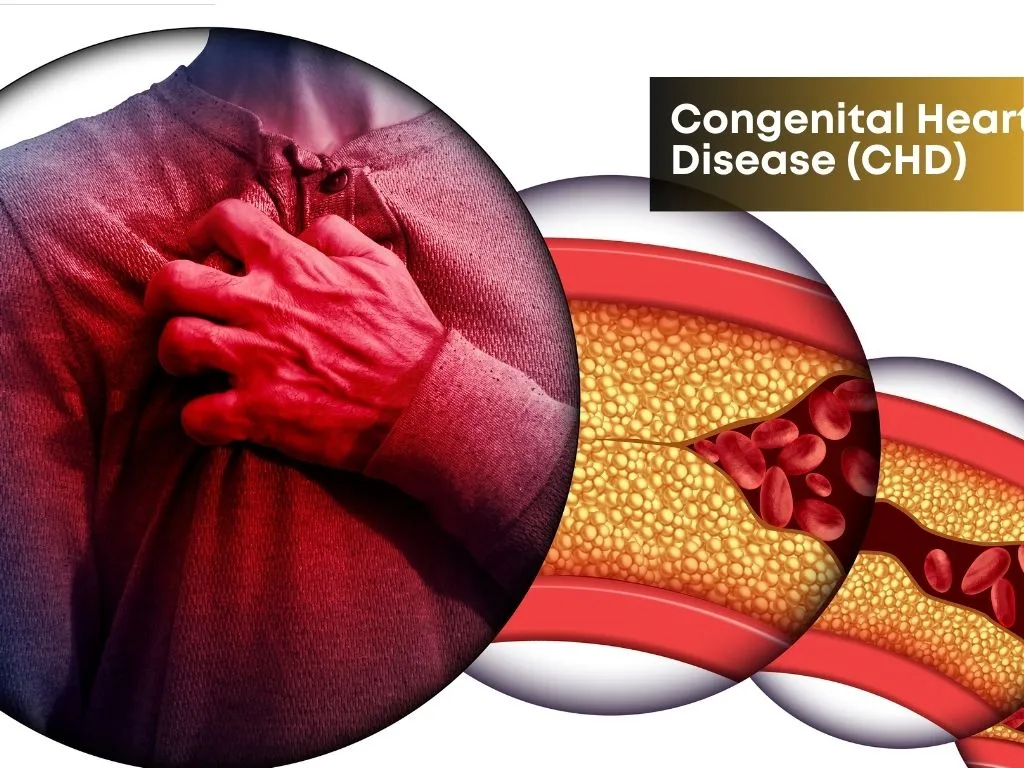
Congenital Heart Disease (CHD)
-
 Nalamaree Team
- 22 September 2025
Overview
CHD results from abnormal heart development during pregnancy. Common types include atrial septal defect (ASD), ventricular septal defect (VSD), tetralogy of Fallot, and patent ductus arteriosus (PDA).
Causes
- Genetic syndromes (e.g., Down syndrome)
- Maternal infections (rubella) or diabetes
- Environmental factors, alcohol or drug use in pregnancy
Symptoms
- Rapid breathing, fatigue
- Blue tint (cyanosis)
- Poor feeding and weight gain
- Swelling in legs or abdomen
- Heart murmur
Treatment: Modern Medicine
- Diagnosis: Echocardiography, ECG, chest X-ray
- Treatment:
- Mild: Monitoring
- Severe: Surgery (e.g., VSD repair, valve correction)
- Medications: Diuretics, ACE inhibitors, beta-blockers
- Long-term: Cardiology follow-up
Treatment: Traditional Medicine
- Ayurveda: Arjuna, Pushkarmool for heart tone
- Siddha/Unani: Cardiac rasayanas; diet regulation
- TCM: Ginseng, Salvia root for blood flow
- Homeopathy: Remedies like Digitalis, Crataegus (symptom-based)
- Nutraceuticals: CoQ10, L-carnitine, Omega-3
Caution
- High-risk during infections or surgery
- Avoid strenuous activity unless approved
- Regular heart check-ups
Prevention
- Maternal vaccination (rubella)
- Avoid teratogenic drugs during pregnancy
- Folic acid supplements









.jpg.webp)